
Every week across south-east Melbourne, tenants hand back their keys and lose hundreds of dollars they didn’t have to lose. Not because they were careless tenants — but because they didn’t know what agents were actually measuring. In 2023, there were over 53,000 bond disputes across Victoria, and cleaning caused nearly 70% of them. I’m Himaya Hamy, and I’ve run Mommy Bear Cleaning Services in Officer for 15 years. I’ve walked through hundreds of rental properties in Pakenham, Berwick, and Cranbourne after tenants believed they were done. What I find — every single time — is the same list of missed areas, the same avoidable mistakes, and the same shock when the bond deduction arrives.
This article is based on real inspections, real properties, and 15 years of knowing exactly what property managers in the City of Casey and Cardinia Shire look for. It is not generic advice. If you’d rather hand the whole job to us and stop worrying, call 0449 626 424 — we cover Officer, Pakenham, Berwick, Cranbourne, and all surrounding south-east Melbourne suburbs. If you want to understand it first, read on.
The Real Numbers Behind Melbourne Bond Disputes
Cleaning is the single biggest reason Victorian tenants lose bond money — and the statistics make clear this is not a rare problem.
In 2023, the RTBA (Residential Tenancies Bond Authority) recorded over 53,000 bond disputes across Victoria. Cleaning was involved in approximately 67–70% of those cases — which means more than 35,000 cleaning-related disputes in a single year. The average amount lost per tenancy sits between $250 and $500, and for larger homes left in poor condition, deductions frequently exceed that. According to Tenants Victoria, 1 in 3 Melbourne renters felt their bond was unfairly withheld. Over 45% of tenants who cleaned themselves still lost money. Tenants who used a professional cleaner with a bond-aligned process were three times more likely to receive their full bond back.
These numbers match exactly what I see when I walk into a property after a tenant’s own clean. The effort is there — but the knowledge of what the agent is actually measuring is almost always missing. That gap is expensive.
What Real Estate Agents Actually Measure (The REIV Standard Explained)
Real estate agents in Victoria don’t judge your clean by how it looks to you — they compare it against the Entry Condition Report completed when you moved in, using a standard aligned with the Real Estate Institute of Victoria (REIV).
The Entry Condition Report is the legal benchmark under the Residential Tenancies Act 1997 (Victoria). Agents compare move-in condition against move-out condition, adjusted for fair wear and tear. That last phrase matters: fair wear and tear is a legal concept covering natural, gradual deterioration from normal use — minor carpet flattening, small paint fades, general surface ageing. It does not include staining, mould, built-up grease, or damage caused by neglect. Landlords cannot claim fair wear and tear through a bond deduction. But they absolutely can claim for anything beyond it.
Property managers across the City of Casey and Cardinia Shire have become increasingly thorough as the rental market tightens — particularly in outer south-east suburbs where new builds in estates like Timbertop and Arcadia start with pristine conditions that are genuinely difficult to match at move-out.
New build rentals in Officer, Pakenham, and the surrounding estates are the hardest to hand back. White grout, bright walls, factory-finish ovens — everything shows. Tenants moving out of new builds need an especially thorough clean, and they need to start earlier than they think.
The 12 Most Common Reasons Melbourne Tenants Lose Bond Money
These are not random. After 15 years of end-of-lease cleaning across Officer, Pakenham, Berwick, Cranbourne, Hallam, and surrounding suburbs, these 12 areas cause bond deductions more than anything else Himaya and the Mommy Bear team encounter.
1. Oven and Rangehood — The #1 Bond Deduction in Victoria
What agents find: Baked-on grease inside the oven cavity, burnt residue on racks and trays, greasy filters in the rangehood, fat residue on the rangehood exterior and underside. Why they deduct: Ovens are among the most expensive appliances to professionally clean — agents know the cost and don’t hesitate to claim it. Standard required: Oven interior spotless including behind the door glass seal, racks degreased, rangehood filter cleaned or replaced, underside wiped. Himaya’s tip: “Soak oven racks overnight in hot water and dish soap. The oven door seal — the rubber ring around the inside edge — is almost always missed. Agents check it specifically. In 15 years, I have never seen an oven a departing tenant thought was clean pass inspection without professional treatment.”
2. Shower Screen, Tiles and Bathroom Grout — Hard Water and Mould
What agents find: Soap scum on shower screens, hard water calcium deposits on taps and tiles, black mould growing in grout lines. Why they deduct: Mould and hard water staining are treated as evidence of inadequate maintenance — outside fair wear and tear. Standard required: Shower screen streak-free and clear, all tile surfaces clean, grout lines free from mould throughout. Himaya’s tip: “South-east Melbourne has moderately hard water. Hard water staining on shower screens and taps builds up fast and looks terrible at inspection. Pakenham rentals are among the hardest bathroom surfaces we clean — a standard supermarket cleaner does almost nothing. You need a professional descaler.”
3. Carpets — Staining, Pet Hair and Deep-Down Dirt
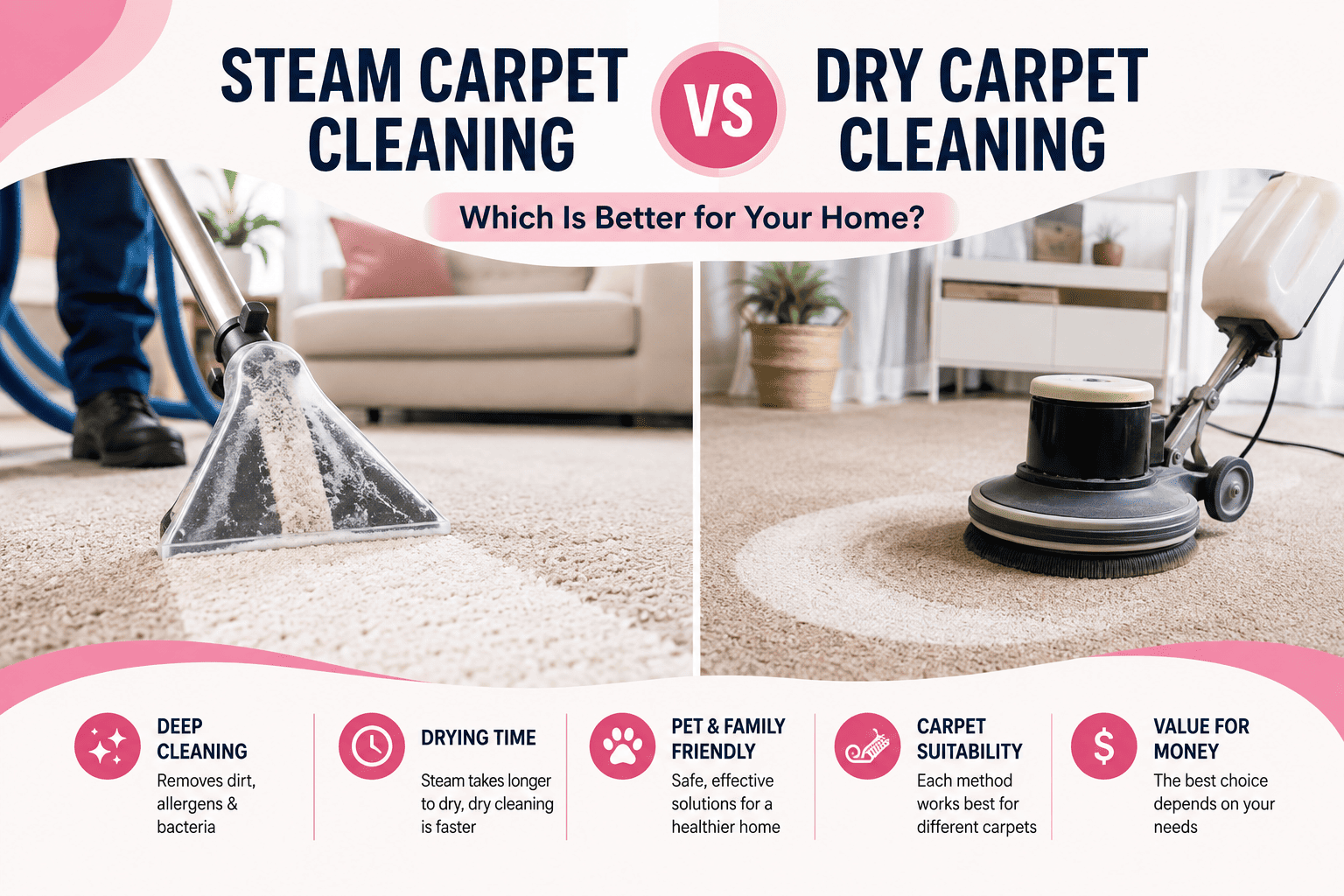
What agents find: Visible staining near entry doors and high-traffic corridors, pet hair embedded in carpet fibres, dust and grit compressed into carpet pile near skirting boards. Why they deduct: Carpets are expensive to replace. If they are not returned to the condition specified in the Entry Condition Report, agents will claim professional steam cleaning costs. Standard required: Stains treated, carpets vacuumed thoroughly including edges and corners, hot-water extraction completed where specified or where staining is present. Himaya’s tip: “Vacuuming alone is not a bond-standard carpet clean. Hot-water extraction removes what lives below the surface — pet dander, allergens, ground-in grit. This is not something a domestic vacuum achieves.”
4. Window Tracks and Sills — The Most Overlooked Surface in Every Rental
What agents find: Compacted dust and dead insects in window tracks, grime on window sills and surrounds, dirty frames. Why they deduct: Window tracks are explicitly listed on REIV-standard inspection checklists — agents know tenants forget them, and they check deliberately. Standard required: Tracks vacuumed and wiped clean, sills spotless, frames wiped. Himaya’s tip: “Window tracks are the single most common missed item I find after a tenant’s own clean. A cotton bud and some spray cleans the corners in five minutes per window. Almost no one does it.”
5. Rangehood Filter — Grease You Can’t See From the Outside
What agents find: Filters saturated with grease and cooking residue — often dripping when removed. Why they deduct: A blocked or greasy rangehood filter is a fire risk. Agents note it immediately, and it appears on nearly every REIV-aligned inspection form. Standard required: Filter removed, soaked in degreaser, rinsed clean, or replaced. Himaya’s tip: “In Berwick and Beaconsfield, I always steam clean the rangehood filter — not just wipe the exterior. Filters that haven’t been cleaned in 12 months can be genuinely dangerous. This is the first thing Mommy Bear addresses on every booking.”
6. Skirting Boards — Dusty, Scuffed, Forgotten
What agents find: Accumulated dust along the top edge, scuff marks from furniture and shoes, sometimes paint chips. Why they deduct: Skirting boards are explicitly listed in REIV checklists. Clean skirting boards signal a thorough overall clean — agents use them as a proxy for the whole property. Standard required: Dusted, wiped, and free from marks throughout. Himaya’s tip: “Most people vacuum the floor but never look at the skirting board directly below them. A damp microfibre cloth takes minutes and makes an immediate visible difference at inspection.”
7. Walls — Marks, Scuffs and Adhesive Damage
What agents find: Blu-Tack staining, Command strip adhesive residue, crayon marks, scuff marks from furniture, dirty fingerprints around light switches and door frames. Why they deduct: Wall damage is expensive to repaint — any marks beyond fair wear and tear are claimed. Standard required: Spot cleaned throughout, adhesive fully removed without damaging paint, light switches and door plates wiped clean. Himaya’s tip: “Magic erasers remove most scuff marks without damaging paint. Blu-Tack staining often requires a specific solvent. Start wall cleaning early — don’t leave it to the last afternoon.”
8. Kitchen Cupboard Interiors — Food Residue and Shelf Liners
What agents find: Crumbs, food grease, staining on shelf liners, sticky residue inside cupboard doors. Why they deduct: Cupboard interiors are explicitly checked — especially under the sink and inside pantry spaces. Standard required: All interiors wiped, shelf liners removed or cleaned, under-sink area clean and dry. Himaya’s tip: “Replace stained contact paper or shelf liners — they’re inexpensive and the difference at inspection is significant. Most tenants overlook cupboard interiors entirely in their own clean.”
9. Exhaust Fans — Dust-Caked Blades That Agents Always Check
What agents find: Thick dust accumulation on exhaust fan blades and grille covers — particularly in bathrooms and kitchens. Why they deduct: Blocked exhaust fans are listed in most property condition reports. Agents check them specifically because they know tenants forget. Standard required: Grille cover wiped or removed and cleaned, blades dusted. Himaya’s tip: “Take the cover off. That’s where the real dust lives. Most people wipe the outside only — and it shows immediately when the cover is lifted.”
10. Light Fittings, Switches and Door Handles
What agents find: Dead insects inside light globes and covers, fingerprint grease on switches and handles, general grime around frequently touched surfaces. Why they deduct: These are high-visibility items. An agent who sees clean switches and handles reads the entire property as well maintained. Standard required: All light fitting covers cleaned, switches and handles wiped free of fingerprints and grime throughout the property.
11. Outdoor Areas — Balconies, Garages and Alfresco Spaces
What agents find: Dirty balconies, unswept garages, oil stains on garage floors, alfresco areas left with rubbish or accumulated dirt. Why they deduct: Outdoor areas form part of the tenancy and are included in the condition report — they are not optional. Standard required: Balcony or alfresco swept and cleaned, garage swept, oil stains treated, all rubbish removed. Himaya’s tip: “Many Pakenham and Officer rental properties have alfresco entertaining areas that get forgotten entirely. Tenants focus on inside. Don’t. These areas are on the inspection form.”
12. Carpeted Stairs and Entry Areas — High Traffic, High Visibility
What agents find: Worn-looking carpet at entry points, embedded dirt in stair edges and risers, staining near front doors. Why they deduct: Entry areas are the first thing an agent sees at inspection — first impressions influence the entire walkthrough. Standard required: Entry carpet steam cleaned, stair edges vacuumed including edges and risers, any staining treated before the inspection.
Why DIY Cleaning Almost Never Reaches Bond Standard
The problem isn’t effort — it’s information. Most tenants clean hard, but don’t know what the agent is measuring against.
Over 45% of tenants who cleaned themselves still lost bond money. The difference between a regular clean and an end-of-lease clean is not just thoroughness — it’s knowing the specific checklist agents use. DIY cleaning consistently misses rangehood filters, exhaust fans, window tracks, skirting boards, oven door seals, and cupboard interiors. Without professional equipment, carpets cannot reach steam or hot-water extraction standard. And a DIY clean leaves no paper trail — a professional cleaning receipt dramatically strengthens any position in a VCAT bond dispute.
There’s also the time factor. A bond-standard clean of a 3-bedroom house takes 10–20 hours to do properly. Most tenants are simultaneously packing, arranging removalists, managing children, and handling utilities. The cognitive load is already at its peak.
Bond standard clean vs regular clean: A regular clean maintains day-to-day hygiene — vacuuming, surface wiping, mopping. A bond-standard clean is a forensic inspection of every surface your agent will check: inside appliances, behind furniture, inside cupboards, underneath rangehood filters, inside window tracks, along every skirting board.
That’s exactly why Himaya Hamy and the Mommy Bear team exist. For 15 years, we’ve been doing this specific job for tenants across Officer, Pakenham, Berwick, and the broader south-east Melbourne corridor — and we do it with hospital-grade equipment that achieves what domestic products cannot.
Himaya’s Room-by-Room Avoidance Guide — What to Do 2 Weeks Before Inspection
The worst mistake tenants make is leaving everything to the last day. Here is exactly what Himaya recommends, working back from your final inspection date.
2 weeks before inspection:
- Remove all personal items and furniture so every surface is accessible and visible
- Photograph every room immediately — this becomes your protection record
- Begin oven and rangehood degreasing now, not the day before
- Pull out your Entry Condition Report and clean to exactly that standard
1 week before inspection:
- Complete all wall spot cleaning — Blu-Tack removal, scuff marks, adhesive residue
- Clean all kitchen cupboard interiors and replace stained shelf liners
- Treat carpet stains — allow full drying time before steam cleaning
- Book professional steam carpet cleaning for this week, not the night before
2–3 days before inspection:
- Complete all bathroom cleaning: grout, shower screen, exhaust fan, toilet, vanity
- Clean all windows inside (and outside where accessible), frames, and tracks
- Wipe skirting boards throughout the entire property
- Clean all light fittings, switches, and door handles
Day before inspection:
- Final vacuum and mop of all floors
- Wipe down all benchtops and kitchen surfaces
- Walk through the entire property at agent eye level — look at every surface as if you have never seen it before
- Take final photographs
Call us at least a week before your inspection — not the day before. We need time to do the job properly, and last-minute bookings mean there is no buffer if anything gets flagged. Reach the Mommy Bear team on 0449 626 424.
How Mommy Bear Cleaning Helps Tenants Across South-East Melbourne Get Their Bond Back
Himaya Hamy started Mommy Bear Cleaning Services in Officer because she saw the same problem week after week: families doing their best, still losing money. The solution wasn’t telling people to try harder — it was providing the knowledge, equipment, and expertise they were missing.
Every Mommy Bear end-of-lease clean follows a 40-point REIV-aligned checklist covering every item agents inspect. We use hospital-grade equipment for carpets, surfaces, and glass — the same standard used in medical facilities. Our eco-friendly, non-toxic products are safe for children, pets, and elderly family members. Our team is fully police-checked and insured, carrying Public Liability and Workers’ Compensation cover.
We serve Officer, Pakenham, Berwick, Beaconsfield, Narre Warren, Narre Warren South, Cranbourne, Clyde, Clyde North, Hallam, Hampton Park, Endeavour Hills, Dandenong, Botanic Ridge, and all surrounding south-east Melbourne suburbs. We also cover greater Melbourne including Brighton, St Kilda, Hawthorn, Glen Waverley, and the CBD.
“Tammy and friend did an amazing job on my end of lease clean and carpet clean. Thanks so much!!” — Airtasker review, Pakenham
“Himaya was sweet and polite to deal with and the cleaning was done to a very high standard… the bathrooms, kitchen and mirrors are sparkling.” — Brooke Ranken, Officer
Getting your bond back starts with knowing what agents look for — and ends with a professional clean that meets that exact standard. Reach Himaya directly on 0449 626 424, email info@mommybearcleaning.com.au, or get your free quote at mommybearcleaning.com.au. New clients receive 10% off their first clean.
Frequently Asked Questions — Bond Deductions Melbourne
Q: What is the most common reason tenants lose their bond money in Melbourne? Cleaning is by far the most common reason — involved in approximately 67–70% of all bond disputes in Victoria according to RTBA data. Specifically, ovens, shower grout, carpets, and window tracks are the items tenants most frequently miss. Over 35,000 bond disputes in Victoria in 2023 were cleaning-related, making it significantly more common than any other deduction category including damage or unpaid rent.
Q: Can a real estate agent deduct bond money for a dirty oven in Victoria? Yes. If your oven was clean at the start of your tenancy as recorded in the Entry Condition Report and is not clean when you vacate, the property manager can make a bond claim to cover professional oven cleaning costs. This is one of the most common specific deductions in Victorian rental inspections. The RTBA will release bond funds to the landlord for this purpose if the claim is uncontested.
Q: Do I have to steam clean carpets when moving out in Victoria? Not automatically by law — but if your carpets were steam cleaned before you moved in, or if your lease specifies it, you are required to return them to that standard. If carpet staining or embedded dirt is present beyond fair wear and tear, agents will claim professional cleaning costs regardless. A professional carpet cleaning receipt also significantly strengthens your position in any VCAT bond dispute.
Q: What is “fair wear and tear” in a Victorian rental property? Fair wear and tear is the natural, gradual deterioration of a property from normal day-to-day use — minor carpet flattening, small paint fades, general surface ageing over time. It does not include staining, mould, grease buildup, damage, or anything caused by neglect or misuse. Under the Residential Tenancies Act 1997 (Victoria), landlords cannot make bond claims for fair wear and tear — but they can claim for anything beyond it.
Q: How do I dispute a bond deduction for cleaning in Victoria? If you disagree with a bond deduction, you can dispute it through the RTBA process, or through Rental Dispute Resolution Victoria (RDRV) — introduced in November 2024 as a free pre-VCAT option. If unresolved, VCAT is the final arbiter. Dated before-and-after photographs and a professional cleaning receipt are your strongest evidence in any dispute.
Q: Will a property manager check inside kitchen cupboards at the end of lease inspection? Yes. Kitchen cupboard interiors — including under the sink, inside the pantry, and behind all cupboard doors — are standard items on REIV-aligned end-of-lease inspection checklists. Crumbs, grease, food residue, and stained shelf liners are all flagged. Most tenants overlook cupboard interiors entirely in their own clean, which is why they appear so consistently in bond deduction claims.
Q: What happens if I fail the final inspection in Victoria? If you fail the final inspection, the property manager can submit a bond claim to the RTBA for the cost of remediation — including professional cleaning, carpet cleaning, repairs, or redecoration. You will be contacted and given the opportunity to dispute the claim. If unresolved, it proceeds to RDRV or VCAT — a process that is stressful and can take weeks. Passing the first time is almost always faster and cheaper than disputing afterward.
Q: How much does end-of-lease cleaning cost in Pakenham, Officer, and Berwick? In south-east Melbourne suburbs including Pakenham, Officer, and Berwick, professional end-of-lease cleaning for a 3-bedroom home typically costs $350–$650 depending on property size and condition. Mommy Bear Cleaning Services starts from $55/hr and includes all equipment and eco-friendly products — no supplies to buy or organise. Call 0449 626 424 or visit mommybearcleaning.com.au for a specific quote.
Q: Does Mommy Bear Cleaning Services cover Cranbourne and Narre Warren? Yes. Mommy Bear Cleaning Services covers Officer, Pakenham, Berwick, Beaconsfield, Cranbourne, Narre Warren, Narre Warren South, Clyde, Clyde North, Hallam, Hampton Park, Endeavour Hills, Dandenong, Botanic Ridge, Warragul, and all surrounding south-east Melbourne suburbs. Greater Melbourne is also covered. Call 0449 626 424 to confirm your specific area and arrange a free quote.
Q: Is it worth hiring a professional cleaner for end of lease in Melbourne? Yes — for most tenants, the financial case is clear. A typical Melbourne rental bond sits between $2,000 and $4,000. Professional end-of-lease cleaning costs $350–$650. Over 45% of tenants who cleaned themselves still lost bond money. Using a professional cleaner with a bond-aligned checklist and proper equipment is the single most effective way to protect your full bond refund.
The Truth About Bond Cleaning From Someone Who Does It Every Day
After 15 years of walking into rental properties across Officer, Pakenham, Berwick, Cranbourne, and the surrounding south-east Melbourne corridor, here’s what Himaya Hamy has seen that no generic guide will tell you.
On white grout: “In new build rentals in Timbertop and Arcadia, the white grout between floor tiles is pristine at move-in. Six months of foot traffic and it looks grey. Agents notice immediately — it needs a specific grout cleaner, not a general mop, and it needs time to work. Tenants who rush this step always regret it.”
On Pakenham water: “Pakenham has hard water. Shower screens in Pakenham rentals are among the hardest surfaces we clean — calcium builds up fast and looks genuinely terrible if left. A standard supermarket cleaner does almost nothing. You need a professional descaler and proper technique.”
On ovens: “In my 15 years, I have never seen an oven that a departing tenant thought was clean actually pass inspection without professional treatment. It’s the one surface where domestic cleaning products consistently fall short of bond standard.”
On consistency throughout the tenancy: “The properties I find easiest to hand back are the ones where the tenant has been maintaining them with regular professional cleans throughout the tenancy. There is almost nothing extra needed at move-out — because nothing has been allowed to build up.”
On timing: “Book early. Move-out week is consistently our busiest period. Tenants who call the day before their inspection almost always have a problem we can’t fully resolve in time. A week’s lead time means we can do the job right — and you have time to address anything else that gets flagged.”
The Bond You’ve Paid is Worth Protecting
Cleaning is the number one reason Victorian tenants lose bond money — but it is also the most preventable. Knowing what agents check, starting the process early, and bringing in the right help are all it takes.
- Know the standard: agents use the Entry Condition Report and REIV checklists — not their own judgment
- Know the risks: 12 consistent areas cause the overwhelming majority of deductions, and they are all avoidable
- Know when to call for help: a professional clean costs a fraction of the bond it protects
Himaya Hamy and the Mommy Bear team have been protecting bonds for tenants across Officer, Pakenham, Berwick, Cranbourne, Narre Warren, Hallam, and south-east Melbourne for over 15 years. For a full overview of your rights under Victorian law, read our companion guide: How to Get Your Full Bond Back in Victoria.
Call 0449 626 424, email info@mommybearcleaning.com.au, or visit mommybearcleaning.com.au for your free quote. Don’t lose money you don’t have to.
Mommy Bear Cleaning Services | 13 Brittanica St, Officer VIC 3809 | 0449 626 424 | mommybearcleaning.com.au
Serving Officer, Pakenham, Berwick, Cranbourne, Narre Warren, Hallam, Hampton Park, Clyde, Dandenong, Beaconsfield, Botanic Ridge, Endeavour Hills, and greater Melbourne.