Are your clothes coming out of the wash not quite as fresh as they used to be?
Or maybe there’s a damp, musty smell hanging around your laundry room?
Before blaming your detergent or laundry habits, the real issue could be your front load washing machine.
Front loaders are brilliant for saving water and energy, but they need regular cleaning to stay hygienic and smell fresh. Moisture, detergent residue, and lint can build up over time — especially in warm Australian conditions.
In this guide, we’ll show you exactly how to clean a front load washing machine, how often to do it, and how to keep it fresh between cleans.
What Is a Front Load Washing Machine?
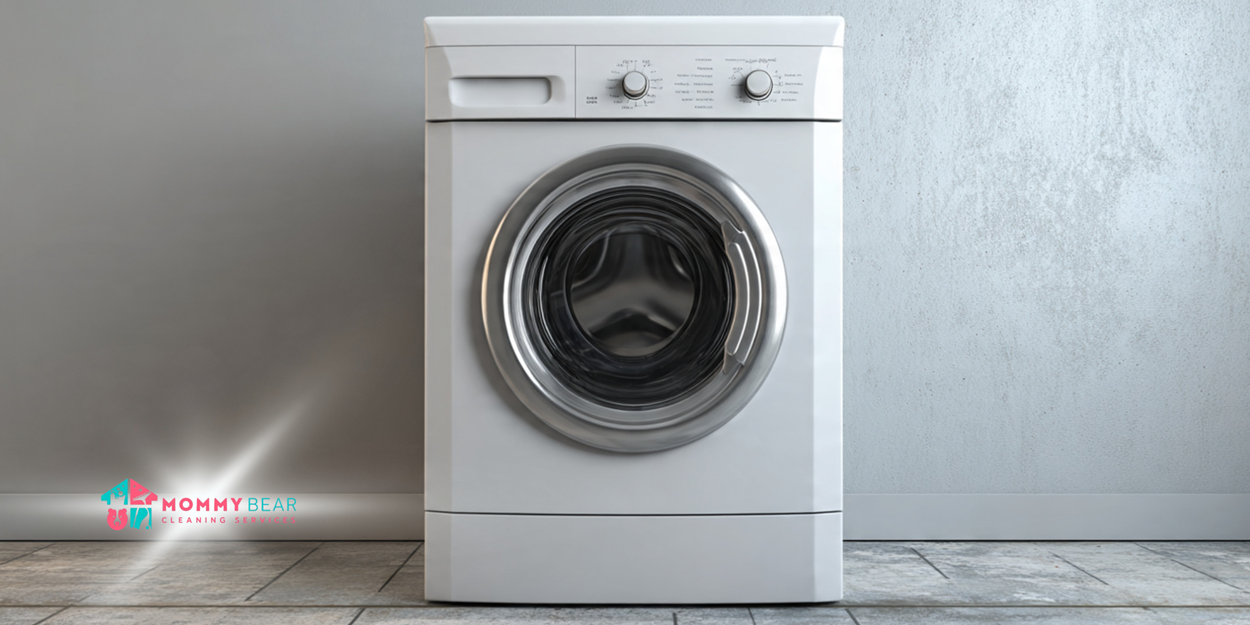
Front load washing machines open from the front and seal tightly with a rubber gasket around the door. This design helps prevent leaks and improves washing efficiency.
Compared to top loaders, front load washers:
Use less water and electricity
Have larger drum capacity
Clean clothes more effectively
Are gentler on fabrics
The downside? That sealed design can trap moisture — which is why cleaning is so important.
Why You Need to Clean Your Front Load Washer
Over time, detergent, fabric softener, dirt, and minerals from hard water can build up inside your machine.
Common problems include:
Musty or sour smells
Black mould around the rubber door seal
Detergent residue in the drawer
Clothes that don’t smell clean
Reduced machine performance
If left too long, this build-up can stain clothes, damage internal parts, and shorten the life of your washing machine.
A clean washing machine means fresher laundry, better performance, and fewer repairs.
How Often Should You Clean a Front Load Washing Machine?
For Australian households, this routine works best:
After every wash:
Wipe the rubber gasket and leave the door open to dryEvery 2 weeks:
Clean the detergent drawer and wipe the exteriorOnce a month:
Do a full deep clean (drum, gasket, filter, drain pipe)
If you use your washer frequently or mainly wash in cold water, monthly deep cleaning is essential.
What You’ll Need Before You Start
You don’t need harsh chemicals. Most items are already in your home:
White vinegar
Baking soda (bicarb soda)
Mild dishwashing liquid
Microfibre or soft cloths
Old toothbrush
Shallow basin or bowl
Rubber gloves (optional)
👉 Avoid chlorine bleach where possible — it can damage rubber seals and internal parts.
How to Clean the Rubber Gasket on a Front Load Washer
The rubber gasket is the number one spot for mould.
Step 1: Prepare your cleaner
Mix 3 parts white vinegar with 1 part water in a spray bottle.
Step 2: Inspect the gasket
Gently pull back the rubber folds. Remove lint, hair, or small objects like coins or buttons.
Step 3: Clean and disinfect
Spray the vinegar solution generously into the folds. Let it sit for 10 minutes.
Use an old toothbrush to scrub all creases, then wipe clean with a microfibre cloth.
Rinse with lukewarm water and dry thoroughly.
Step 4: Treat stubborn mould
For heavy mould, use diluted oxygen bleach and scrub gently.
Run an empty hot wash afterwards to remove residue.
⚠️ Avoid chlorine bleach — it can cause rubber seals to crack over time.
How to Clean the Inside of a Front Load Washing Machine
Step 1: Clean the detergent drawer
Remove the drawer and soak it in warm, soapy water for 20–30 minutes.
Scrub away residue with a toothbrush, rinse well, dry, and replace.
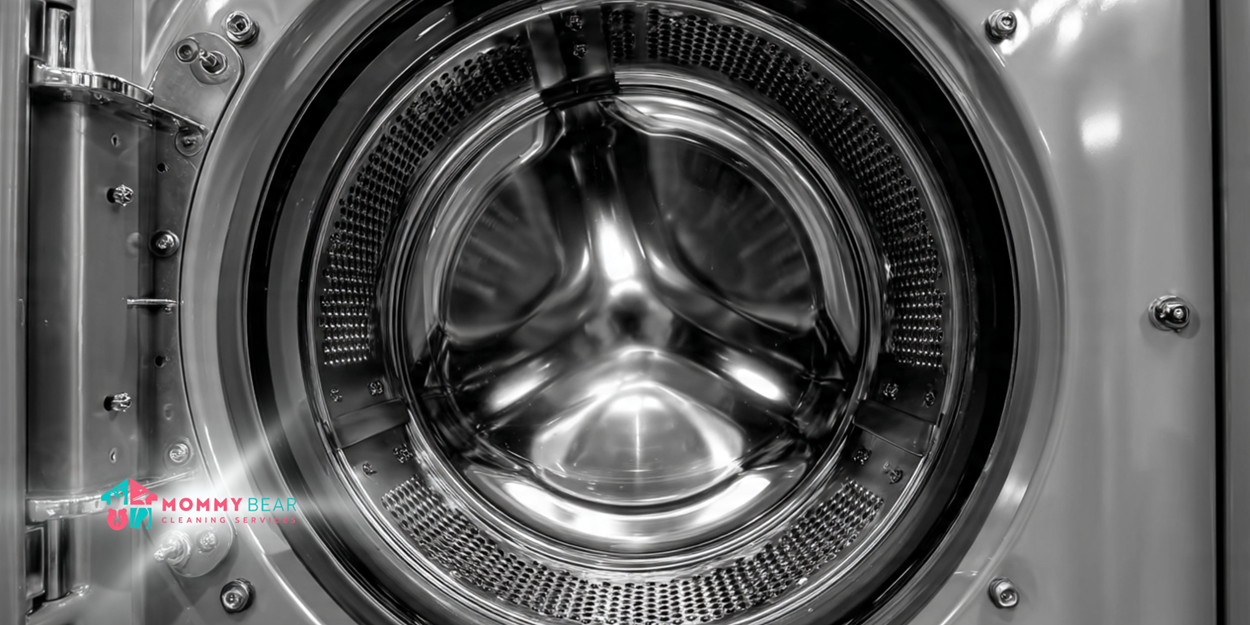
Step 2: Deep clean the drum
Sprinkle ½ cup baking soda directly into the drum
Pour 2 cups white vinegar into the detergent compartment
Run the hottest wash cycle with no clothes inside
Once finished, run an extra rinse cycle if needed and wipe the drum dry.
Step 3: Clean the door glass
Wipe the inside of the door with warm soapy water.
For stubborn marks, spray with vinegar, leave for a few minutes, then wipe clean.
Step 4: Let everything dry
Leave the washer door open so moisture can escape.
How to Clean the Filter and Drain Pipe
The filter traps lint, hair, and debris and should be cleaned monthly.
Step 1: Locate the filter
It’s usually behind a small panel at the bottom front of the machine.
Step 2: Drain excess water
Place towels and a shallow basin underneath.
Open the drain pipe and let water flow out.
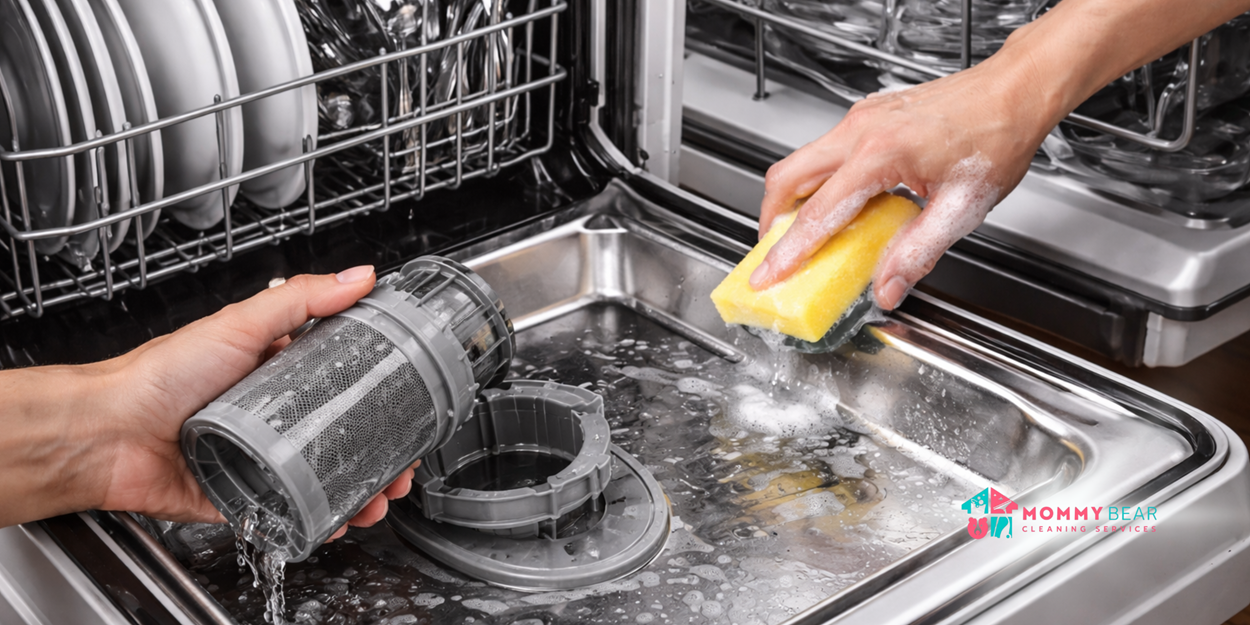
Step 3: Clean the filter
Unscrew the filter slowly. Remove debris and rinse under warm water.
Use a toothbrush and vinegar for stubborn grime.
Step 4: Reassemble and test
Secure the filter and drain pipe, then run a quick wash to check everything is working properly.
How to Clean the Exterior of a Front Load Washer
Clean the outside every couple of weeks to keep it looking new.
Wipe down surfaces with a dry cloth
Use warm water with vinegar or mild dish soap
For tough stains, scrub gently with a baking soda paste
Dry with a clean cloth to prevent streaks
For a fresh scent, you can wipe surfaces with lemon juice.
Tips to Keep Your Front Load Washer Clean for Longer
Use high-efficiency (HE) detergent
Never overload the machine
Remove clothes as soon as the cycle ends
Leave the door and detergent drawer open after washing
Avoid using too much fabric softener
Run a hot wash at least once a month
These simple habits prevent mould, smells, and residue build-up.
FAQs About Cleaning Front Load Washing Machines
Can I use vinegar and baking soda together?
Yes. They’re natural, effective, and safe when used correctly.
Why does my washer still smell after cleaning?
Moisture trapped in the gasket or a dirty filter is usually the cause. Dry thoroughly and clean all parts.
What’s the best cleaner for front load washers?
White vinegar, baking soda, or oxygen-based washing machine cleaners are best.
Final Thoughts
Cleaning your front load washing machine doesn’t take long — but it makes a big difference. Regular maintenance keeps your washer running efficiently and ensures your clothes come out clean, fresh, and odour-free every time.
A little care each month goes a long way in Australian homes.