
Melbourne’s climate doesn’t follow a neat script. You can get 35 degrees and bushfire smoke in November, four days of rain in January, and a week of dense fog in May that leaves condensation on every window in the house. “Four seasons in one day” is a cliche because it’s true, and it means your home’s cleaning and maintenance needs shift constantly throughout the year.
Most seasonal cleaning guides are written for the Northern Hemisphere or for generic “Australian” conditions that don’t reflect what actually happens in Melbourne’s south east. This calendar is based on what we see in the homes we clean across Officer, Pakenham, Berwick and surrounding suburbs every week, and the timing that actually works for Melbourne’s weather patterns.
Summer: December, January, February
Melbourne summers bring entertaining, school holidays, heat and the ongoing risk of bushfire smoke affecting air quality.
December
Deep clean the kitchen before Christmas and New Year hosting. Oven, rangehood filters, fridge interior and stovetop all take heavy use over the holiday period and are easier to manage if they start clean.
Clean ceiling fans before switching them on for summer. They collect dust over winter and redistribute it across the room on first use.
If you’re in a bushfire risk area (Officer South, Emerald, Cockatoo, Upper Beaconsfield), clear gutters of dry leaf debris before the fire season peaks. The CFA recommends this as a core part of your bushfire preparation plan.
January
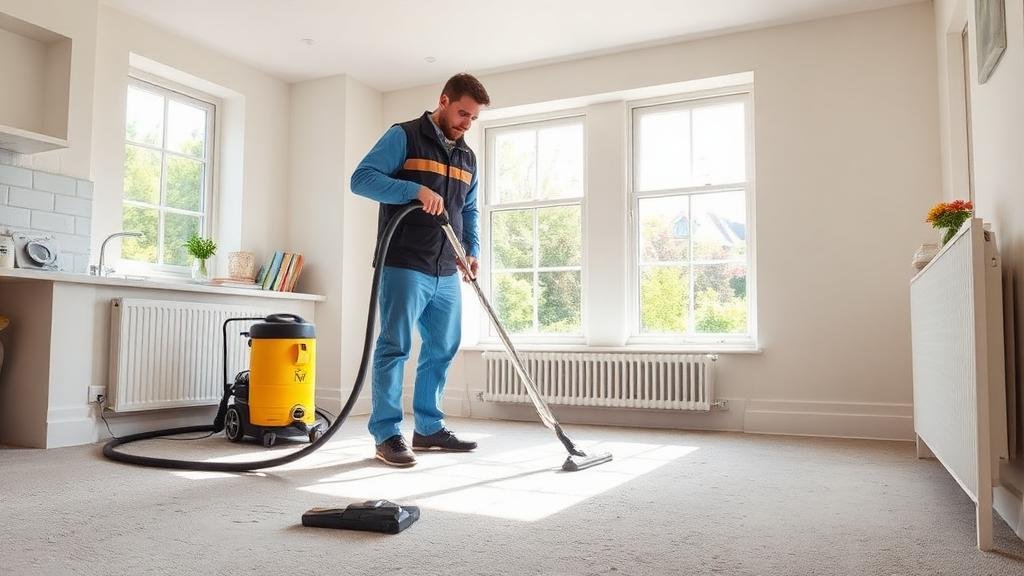
Have carpets professionally steam cleaned. January is ideal because windows can be opened for fast drying, dust mite populations peak in summer warmth, and most families are home to schedule around.
Clean solar panels. Summer is peak generation season, and dirty panels lose 10 to 25% of their output. Clean panels before the longest, sunniest days maximises your feed in tariff earnings.
Wash all bed linen, mattress protectors and pillow protectors in hot water (60°C+). Dust mites thrive in summer humidity and heat. This kills them.
February
Pressure wash outdoor entertaining areas, driveways and paths before autumn rain makes them slippery with algae. A clean, dry surface resists algae growth longer than a dirty one.
Clean window screens. Summer insects leave debris and dust on fly screens that restricts airflow. Remove screens, hose off, scrub gently and refit.
Check and clean air conditioning filters. Most split systems need the filter cleaned every 4 to 6 weeks during heavy summer use. A clogged filter reduces cooling efficiency and increases energy costs.
Autumn: March, April, May
Autumn is Melbourne’s preparation season. Everything you do now prevents expensive problems in winter.
March
Clean windows inside and out before the angle of autumn light drops and makes every streak and smear visible. Windows cleaned in early autumn stay cleaner through winter because there’s less pollen and less dust than in spring.
Schedule a one off deep clean to reset the house after summer holidays and back to school. This catches everything that slipped during the busy December to February period.
April
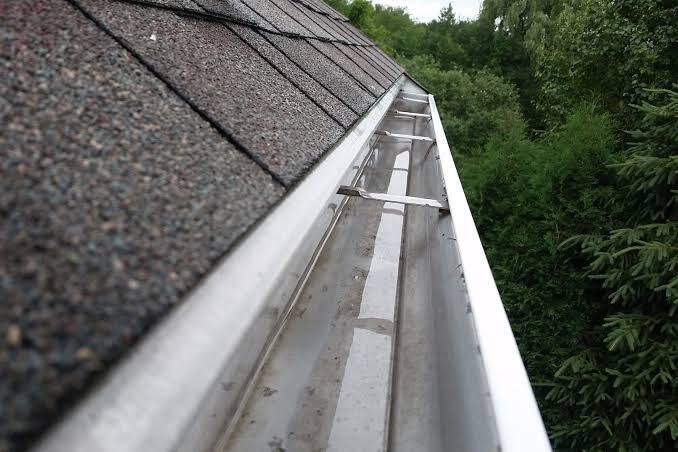
Clean gutters and downpipes. Deciduous trees drop leaves from April onwards across Berwick, Beaconsfield, Narre Warren and the established suburbs. Blocked gutters in winter cause overflows, fascia rot and water pooling against foundations.
This is the single most important seasonal maintenance task for Melbourne homes. Gutters that are clear in April prevent the majority of winter water damage issues.
Service the heating system before you need it. A ducted heater or split system that hasn’t been run since last winter may have dust in the ducts, a dirty filter or a fault. Running it for the first time in June when you actually need heat and discovering it doesn’t work is a stressful and expensive problem.
May
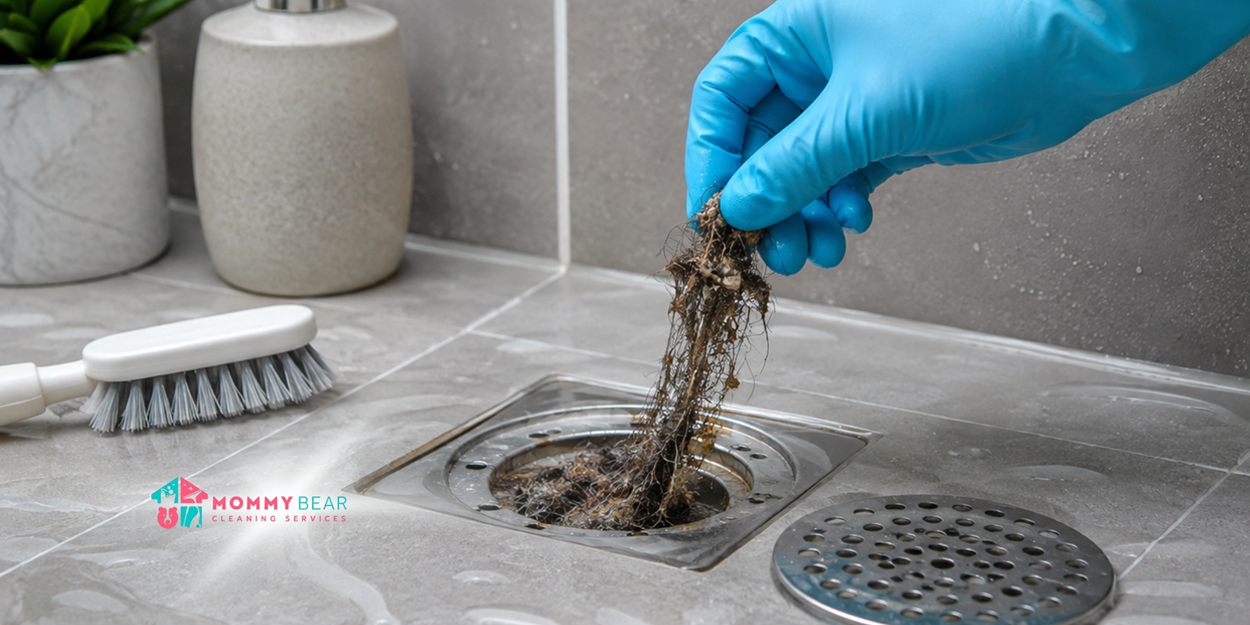
Deep clean bathrooms with a focus on mould prevention. Winter is when bathroom mould establishes in Melbourne homes because of increased steam from hot showers, less ventilation (windows stay closed) and lower temperatures on external walls and ceilings. Starting winter with clean grout, clear exhaust fans and treated silicone gives you a head start.
Check window seals and weatherstripping. Gaps around windows and doors let cold air in and warm air out, increasing heating costs and creating condensation zones where mould grows.
Move any furniture away from external walls slightly to allow airflow behind wardrobes and bookshelves. This prevents the condensation traps that cause wall mould in bedrooms during winter.
Winter: June, July, August
Winter in Melbourne means rain, condensation, reduced ventilation and the conditions that cause most household mould.
June
Wipe condensation from windows and sills every morning. This takes 30 seconds per window and prevents mould establishing on frames and sills. In Officer and the outer south east, overnight temperatures regularly drop below 5°C from June onwards, which means heavy condensation on single glazed windows.
Run exhaust fans during every shower and for 15 minutes afterwards. This is the most effective mould prevention step and costs almost nothing.
Clean inside wardrobes. Winter clothing stored since last year may have absorbed moisture. Empty, vacuum and wipe the interior, check for any signs of mould, and ensure the wardrobe has some airflow.
July
Vacuum mattresses and soft furnishings. Dust mite allergens that built up over summer are now circulating in a closed indoor environment. Vacuuming with a HEPA filter machine reduces allergen load, which helps anyone with asthma or hay fever.
Clean the rangehood and filters. Winter cooking tends toward roasts, soups and slow cooking that generate more steam and grease than summer meals. A clean rangehood extracts moisture more effectively and reduces kitchen condensation.
Mid winter is also a good time to declutter before spring. Fewer items on surfaces, in wardrobes and in storage areas means better airflow and easier cleaning.
August
Clean carpets professionally if you didn’t do it in January. Late winter is the second best time because you’re removing the allergens and dust that accumulated over the colder months, right before spring pollen season adds to the load.
Clean light fittings and ceiling fans. These collect significant dust over winter when windows stay closed. Cleaning them before spring means they don’t redistribute dust when you start opening the house up again.
Check the exterior of the house. Winter rain reveals problems: stained render from gutter overflow, moss on paths, mould on south facing walls, peeling paint from moisture. Note anything that needs attention for spring.
Spring: September, October, November
Spring is Melbourne’s most important cleaning season. Pollen counts peak, daylight increases, and it’s the natural time to reset the house after winter.
September
Clean windows inside and out. Spring light makes dirty glass impossible to ignore, and pollen is about to start coating everything. Clean windows at the start of September before grass and tree pollen peaks in October and November.
Clean all window tracks, frames and sills. Over winter, condensation, dust and dead insects accumulate in tracks. This is also a mould prevention step, since damp tracks with organic debris are where window mould starts.
Deep clean the oven. Spring is the best time because the oven has been working hard all winter and summer entertaining is ahead. Getting it done now means it’s ready for December.
October
Spring clean the whole house. This is the traditional deep clean: every room, every surface, inside cupboards, behind furniture, under beds, skirting boards, light fittings, air vents. If you’re booking professional help, October is the ideal month.
Clean and service the air conditioner before summer. Swap from heating to cooling mode, clean the filters, and test it. Discovering a fault in October is manageable. Discovering it during a 40 degree day in January is not.
Pressure wash driveways, paths and outdoor areas. Spring rain and warmer temperatures encourage algae and moss growth. A clean surface heading into summer stays cleaner longer.
November
Clean gutters again. Spring blossom, seed pods and new leaf growth can block gutters quickly, and Melbourne’s spring storms bring heavy rainfall. If your gutters were cleaned in April, they may need clearing again before the November to December storm season.
Clean solar panels before summer peak generation begins. Pollen, dust and bird droppings from spring reduce output right when you want maximum generation.
Wash outdoor furniture, clean the BBQ and prepare entertaining areas for summer.
The Month by Month Summary
| Month | Priority tasks |
|---|---|
| December | Kitchen deep clean, ceiling fans, gutter clear (bushfire areas) |
| January | Carpet steam clean, solar panel clean, bed linen hot wash |
| February | Pressure wash outdoors, window screens, air con filters |
| March | Window clean, one off deep clean |
| April | Gutter clean (most important of the year), heating service |
| May | Bathroom deep clean, window seals, furniture away from walls |
| June | Daily window condensation wipe, exhaust fans, wardrobe clean |
| July | Vacuum mattresses, rangehood clean, mid winter declutter |
| August | Carpet clean (second best timing), light fittings, exterior check |
| September | Window clean, window tracks, oven deep clean |
| October | Whole house spring clean, air con service, pressure wash |
| November | Second gutter clean, solar panels, outdoor furniture |
How to Use This Calendar
Pick one task per week. That’s it.
Trying to do everything in a single weekend leads to burnout and nothing getting finished. Working through one task per week means every item on this calendar gets completed across the year without any single week feeling overwhelming.
For the bigger jobs (carpet steam cleaning, gutter cleaning, solar panel cleaning, oven deep cleaning, pressure washing, whole house deep clean), book a professional and cross it off. These are the tasks where professional equipment and technique deliver a noticeably better result and save you significant time.
For the maintenance tasks (wiping condensation, running exhaust fans, cleaning air con filters, monthly rangehood wipes), build them into your weekly routine. They take minutes, cost nothing and prevent the expensive problems this calendar is designed to help you avoid.
Frequently Asked Questions
When is the best time to clean gutters in Melbourne?
Late April to early May, after deciduous leaf fall and before winter rain arrives. If your property has heavy tree cover, a second clean in November before spring storms is worthwhile. This is the single most impactful seasonal maintenance task for Melbourne homes.
When should I get carpets steam cleaned in Melbourne?
January is ideal because warm weather allows fast drying with windows open. Late August to September is the second best option, removing winter allergens before spring pollen season.
How often should I deep clean my house?
Twice a year for most Melbourne households: once in October (spring clean) and once in March (post summer reset). Homes with children, pets or allergy sufferers benefit from quarterly deep cleans.
When should I clean solar panels?
Late November or early December, just before peak summer generation. A second clean in August or September removes winter grime before the long sunny days arrive.
Why does mould appear in winter in Melbourne?
Condensation. Warm moist air inside the home meets cold surfaces (windows, external walls, bathroom ceilings) and forms water droplets. Combined with reduced ventilation (windows stay closed) and less sunlight, this creates ideal conditions for mould. Running exhaust fans and wiping condensation daily are the most effective prevention steps.
When is the best time to pressure wash a driveway in Melbourne?
Late February or early March (before autumn moisture encourages algae), and again in October or November (after winter moss and before summer entertaining). A clean, dry surface resists regrowth longer.
Should I clean windows in spring or autumn?
Both, if possible. Autumn windows stay cleaner through winter. Spring windows look their best heading into summer. If you’re only cleaning once a year, September is the strongest choice because spring light makes dirty glass most noticeable and pollen hasn’t peaked yet.
How do I prevent mould in my bathroom during winter?
Run the exhaust fan during and for 15 minutes after every shower. Open a window briefly each day. Wipe condensation from glass and frames daily. Keep the bathroom door open after showering to let moisture escape. Clean the exhaust fan itself so it actually extracts air effectively.
When should I service my heating and cooling systems?
Service heating in April (before you need it in winter). Service cooling in October (before you need it in summer). Both should have filters cleaned monthly during heavy use periods.
What’s the most commonly forgotten maintenance task?
Cleaning rangehood filters. Most families never clean them unless they hire a professional. Saturated filters restrict airflow, increase kitchen condensation and are a fire hazard. Clean them every 2 to 3 months.
Ready to Cross These Tasks Off Your List?
Keeping up with Melbourne’s seasonal home maintenance can be time-consuming, especially when life gets busy. Instead of spending your weekends cleaning gutters, washing windows, or deep cleaning your home, let our experienced local team handle it for you.
At Mommy Bear Cleaning, we help homeowners across Officer, Pakenham, Berwick, Beaconsfield, Narre Warren, and surrounding suburbs keep their homes clean, healthy, and well-maintained all year round.
Whether you need a one-off deep clean, steam carpet cleaning, window cleaning, gutter cleaning, pressure washing, or regular house cleaning, we’re here to help with reliable service and exceptional results.