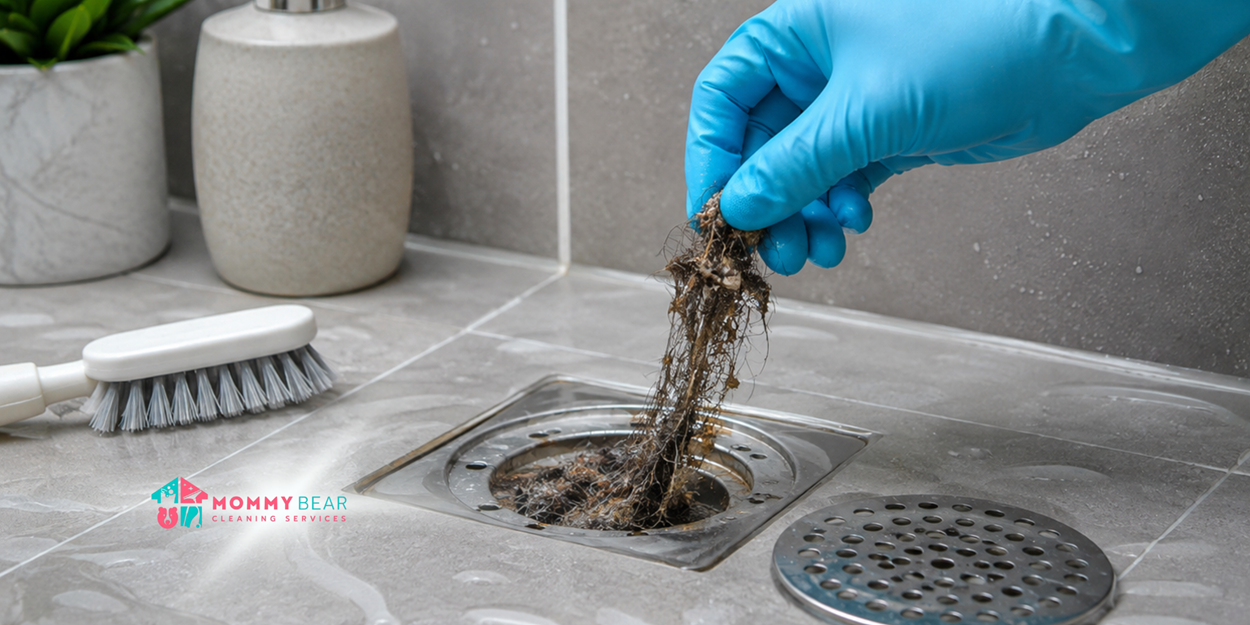
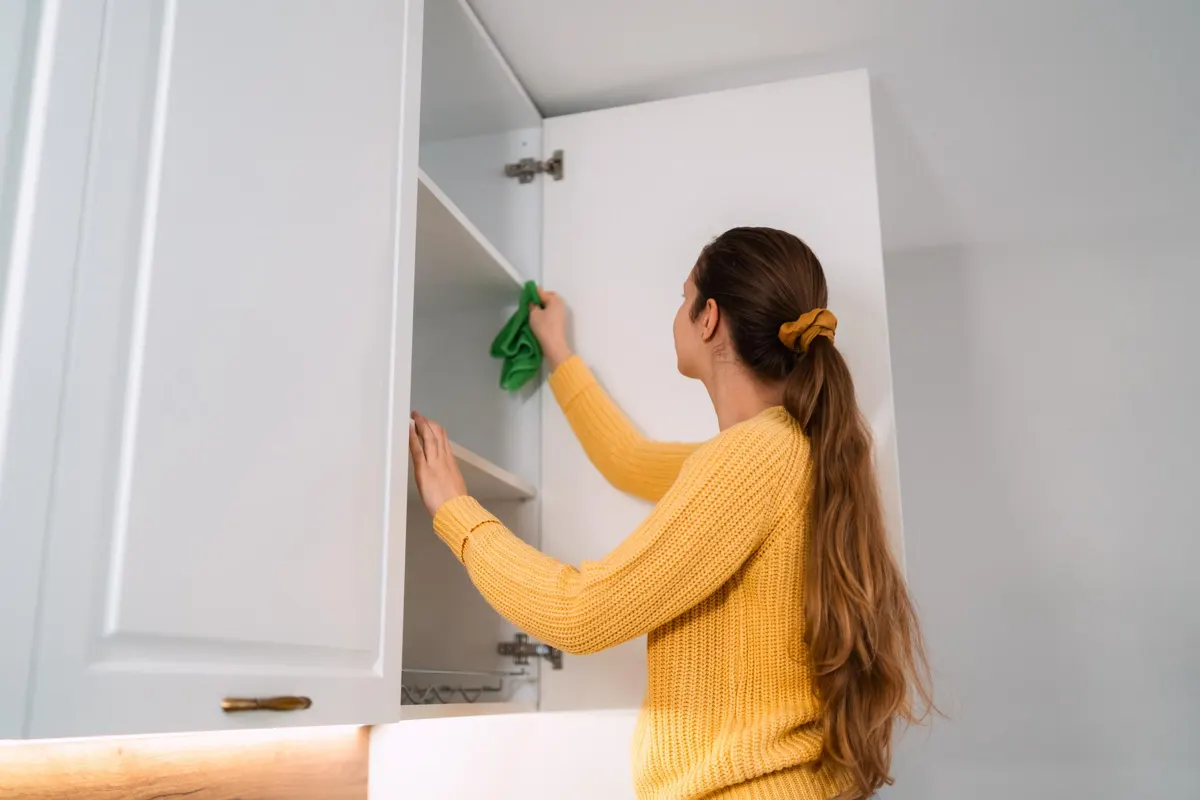
Before you start unpacking in a new home, take some time to inspect the property and clean the areas that will be difficult to reach once your furniture and belongings are inside. Kitchen cupboards, bathroom fittings, wardrobes, window tracks and floors are worth checking, even if the house looks reasonably clean at first glance.
If you’re moving into a rental in Victoria, there’s one important step before you pick up a cloth: photograph the property’s existing condition and check your entry condition report. You don’t want to clean away dirt or damage that should have been documented when you received the keys.
This move-in cleaning checklist will help you work through the house in a sensible order, whether you have a full day before the removalists arrive or only a few hours to get the essential rooms ready.
Before You Start Cleaning, Inspect Your New Home
Walk through the property while it’s still empty. Open cupboards, check appliances included with the home, look around plumbing fixtures and inspect areas that may have been hidden by the previous owner’s furniture.
Pay particular attention to anything that might need repairing rather than cleaning. A leaking tap, damaged flooring or persistent damp smell won’t necessarily be fixed with a household cleaning product.
Use this quick inspection checklist:
- Check kitchens, bathrooms, bedrooms and storage areas for visible dirt or damage.
- Open cupboards and drawers to look for crumbs, stains or signs of pests.
- Inspect the oven, rangehood and other appliances that are staying in the property.
- Look for moisture, leaks or mould around windows, sinks and wet areas.
- Photograph any areas that need attention before cleaning begins.
For Victorian renters: Consumer Affairs Victoria advises renters to inspect their entry condition report, record anything unclean, damaged or not working, and take supporting photographs. The completed report must be returned to the rental provider or agent within five business days of moving in. Keep a copy for your records.
You can read the official Consumer Affairs Victoria condition report guidance for more information.
If the rental is noticeably dirty when you collect the keys, contact the property manager or rental provider promptly, preferably in writing. Record the problem before cleaning and ask how they intend to address it.
What Cleaning Supplies Do You Need Before Moving In?
You don’t need a cupboard full of specialised products to clean an empty house. Start with a small collection of supplies that are suitable for the surfaces in your new home.
- Microfibre cloths and non-scratch sponges
- Vacuum cleaner with suitable attachments
- Mop and bucket suitable for the flooring
- Mild household detergent and appropriate surface cleaners
- Bathroom cleaner and toilet brush
- Soft brushes for grout, corners and window tracks
- Rubber gloves and rubbish bags
- Clean towels or cloths for drying cupboards and surfaces
Bring a few extra rubbish bags for loose packaging, debris and anything left behind by previous occupants.
Check product labels before using cleaners on natural stone, timber, laminate, painted surfaces or delicate tapware. A product that works on ceramic tiles may not be suitable for a marble benchtop or timber floor.
Never mix cleaning chemicals, especially bleach with other cleaners. Keep products in their original containers and follow the ventilation and safety directions on the labels.
What’s the Best Order to Clean an Empty House?
The easiest approach is to clean from higher surfaces downwards and leave the floors until last.
Start by dealing with dust around reachable fittings, door frames and skirting boards. Then clean cupboards and drawers before moving on to the kitchen, bathrooms and other rooms. Finish by vacuuming and mopping once the detailed work is complete.
There’s no need to follow a complicated room schedule. The important thing is to avoid cleaning the same area twice.
If you’re working with someone else, one person can tackle the kitchen while the other starts on the bathrooms. Keep your clean cloths separate from anything used around toilets or heavily soiled surfaces.
Room-by-Room Move-In Cleaning Checklist
1. Kitchen Cleaning Checklist
The kitchen deserves attention before you unpack your plates, cooking utensils and food. Even when the benchtops look clean, cupboard interiors and appliance edges can hold crumbs, grease and residue from previous use.
Start with empty storage spaces. Remove any loose debris, wipe the shelves and drawers with a suitable cleaner, then let them dry completely before putting anything inside.
Kitchen tasks:
- Wipe inside cupboards, pantry shelves and drawers.
- Clean cupboard handles, doors and exterior surfaces.
- Wipe benchtops and splashbacks, including the corners.
- Clean the sink, tapware and surrounding edges.
- Remove grease and residue from the stovetop.
- Check the oven interior, racks and door glass for old cooking residue.
- Inspect the rangehood and clean accessible surfaces and removable filters according to the manufacturer’s instructions.
- Clean the microwave and dishwasher if they’re included with the home.
- Check the fridge interior, door seals and shelves if a fridge is staying in the property.
- Wipe accessible skirting boards and the areas around appliances.
If you’re bringing your own fridge, check that the space behind and underneath the old appliance is clean before positioning the replacement. Don’t attempt to move heavy or connected appliances on your own.
For dishwashers and washing machines, follow the manufacturer’s cleaning instructions rather than pouring household chemicals into them.
Don’t rush the cupboard cleaning. It’s much easier to remove old crumbs and dust now than after every shelf is filled with groceries, dishes and containers.
2. Bathroom and Toilet Cleaning Checklist
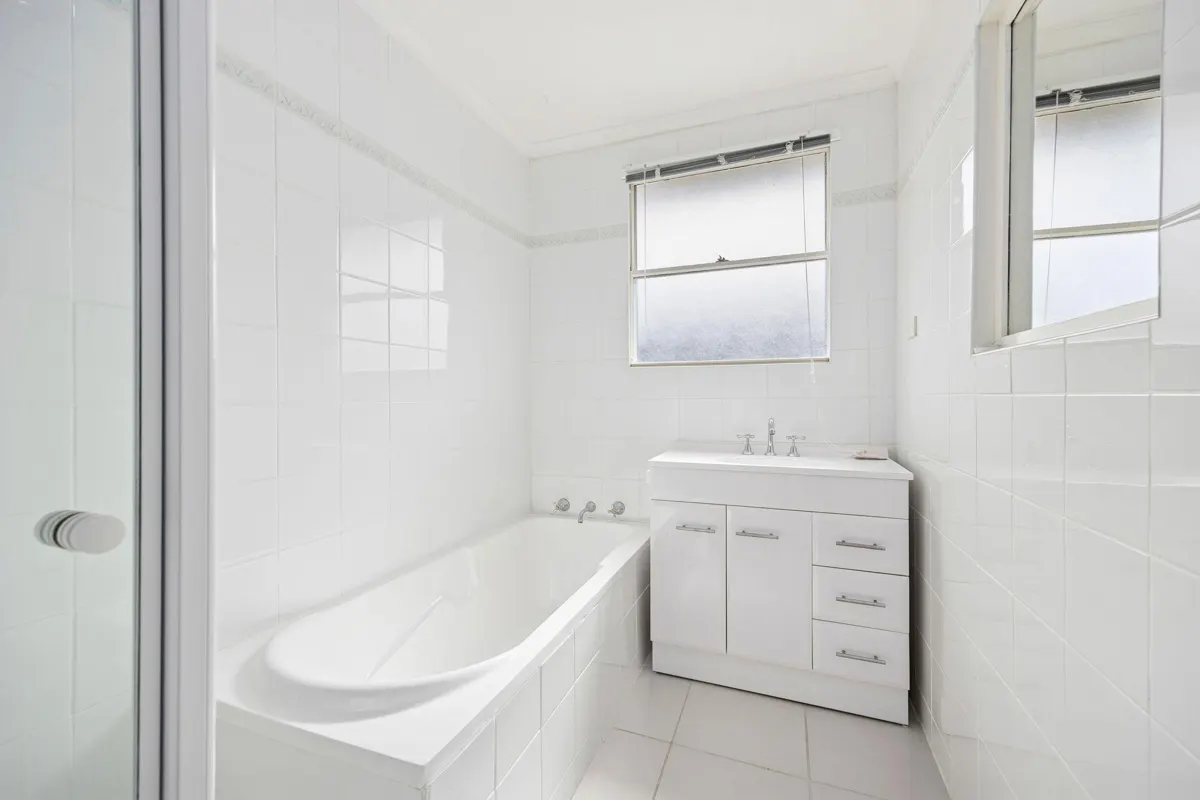
Bathrooms can look tidy while still having soap scum around taps, residue on shower screens and dust inside vanity cupboards.
Start with the bathroom storage and higher surfaces before cleaning the basin, shower, bath and toilet. Use separate cloths for toilet cleaning and other bathroom surfaces.
Bathroom tasks:
- Wipe inside vanity cupboards and drawers.
- Clean the bathroom mirror and accessible shelves.
- Remove ordinary soap residue from the shower screen.
- Clean the shower walls, fittings and accessible grout.
- Wipe the basin, tapware and surrounding benchtop.
- Clean the bathtub, if fitted.
- Clean the toilet bowl, seat, lid, flush button and exterior.
- Wipe light switches, door handles and other frequently touched surfaces using suitable methods.
- Vacuum and mop the bathroom floor.
Be careful with strong descaling products, particularly around natural stone or sensitive metal finishes. Follow the product’s instructions and test compatibility before applying anything unfamiliar.
If you notice widespread mould, damaged silicone, leaking fittings or a persistent damp smell, don’t assume repeated scrubbing is the solution. These problems may need maintenance or specialist assessment.
3. Bedrooms, Wardrobes and Living Areas
Bedrooms usually involve less intensive cleaning than kitchens and bathrooms, but they’re worth preparing before beds, wardrobes and boxes arrive.
Built-in wardrobes are especially easy to overlook. Dust collects along shelf edges, inside drawers and in the corners where clothes and personal belongings will soon be stored.
Bedrooms and living areas:
- Wipe inside built-in wardrobes and storage drawers.
- Clean wardrobe handles, rails and reachable shelves.
- Dust accessible window sills, ledges and skirting boards.
- Wipe door handles and light switches safely, without spraying liquid into electrical fittings.
- Remove ordinary dust from reachable blinds and ceiling fans, where safe.
- Clean marked surfaces using products suitable for the paint or finish.
- Vacuum carpets, including accessible corners and edges.
- Clean hard floors after the rest of the room is finished.
If your furniture is arriving on the same day, prioritise the wardrobes and the areas where beds will be placed. You can dust an exposed shelf later, but reaching the floor beneath a heavy bed is another matter.
Don’t stand on unstable furniture or overreach to clean high fittings. Leave anything requiring unsafe access for a suitably equipped professional.
4. Laundry and Household Appliances
The laundry is often one of the last rooms people think about, particularly when they’re concentrating on getting the kitchen and bedrooms ready.
However, if you intend to use the washing machine soon after moving in, it’s worth checking the laundry first.
Laundry tasks:
- Clean the laundry sink and tapware.
- Wipe benchtops and accessible shelving.
- Clean inside empty storage cupboards.
- Check the washing machine detergent drawer and door seal, if applicable.
- Clean appliance exteriors with a suitable cloth.
- Check the dryer’s accessible lint filter where applicable.
- Vacuum and mop the floor.
If an appliance has an unpleasant smell, visible leaks or doesn’t appear to operate correctly, consult its instructions or arrange appropriate servicing. Avoid dismantling appliances or reaching into electrical components.
5. Windows, Sliding Doors and Forgotten Areas
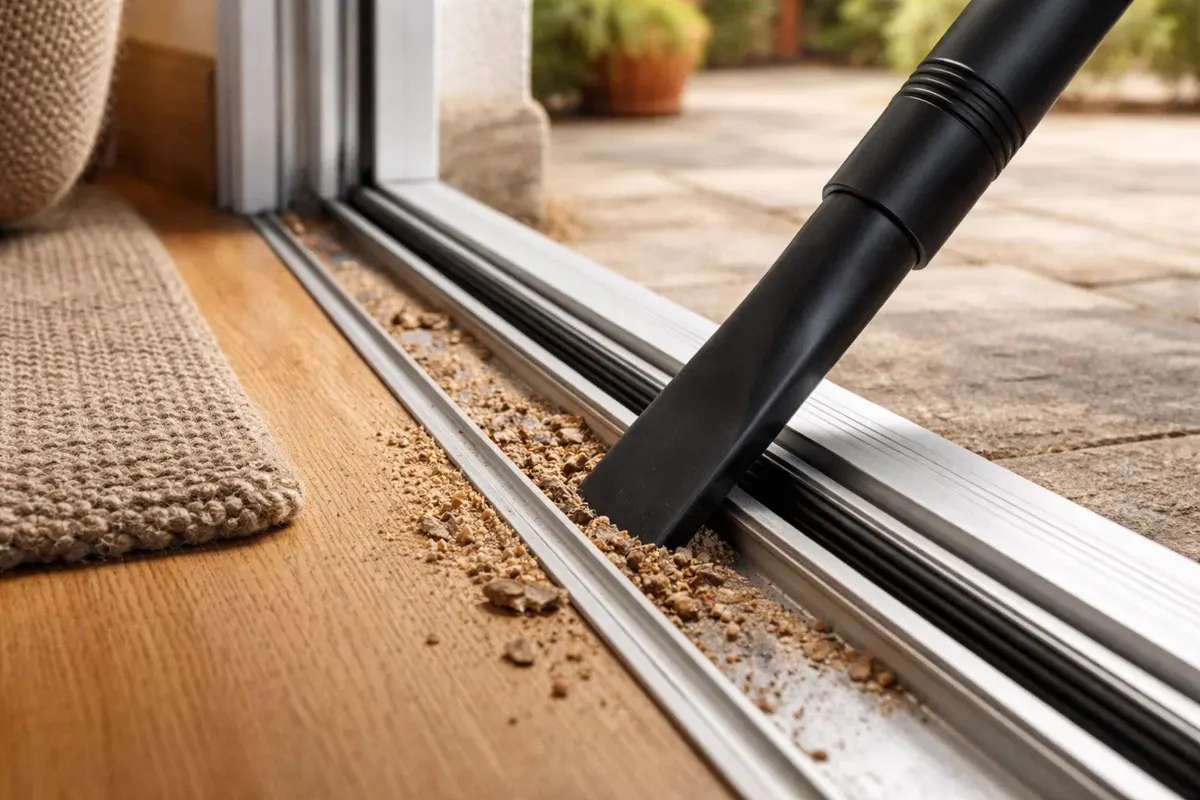
Some of the dirtiest parts of an otherwise presentable house are the places that rarely receive attention during routine cleaning.
Window and sliding door tracks can collect dust, soil and insects. Door frames, cupboard corners and skirting boards may also need attention before furniture blocks access.
Often-forgotten cleaning tasks:
- Vacuum loose dirt from window and sliding door tracks.
- Wipe accessible window frames and sills.
- Clean fingerprints from internal glass and mirrors.
- Wipe door edges and handles.
- Check wardrobe corners and built-in storage spaces.
- Dust accessible skirting boards.
- Clean around accessible heating or cooling vents without opening equipment.
- Check the area around bins and indoor rubbish storage.
For sliding door tracks, remove loose debris first using a vacuum or soft brush. Then wipe the track with a slightly damp cloth. Avoid flooding it with water or pushing debris into drainage openings.
If a sliding door is difficult to operate or a window track has recurring water accumulation, it may need maintenance rather than more cleaning.
6. Vacuum and Mop the Floors Last
Once the cupboards, fittings and other surfaces are clean, finish with the floors.
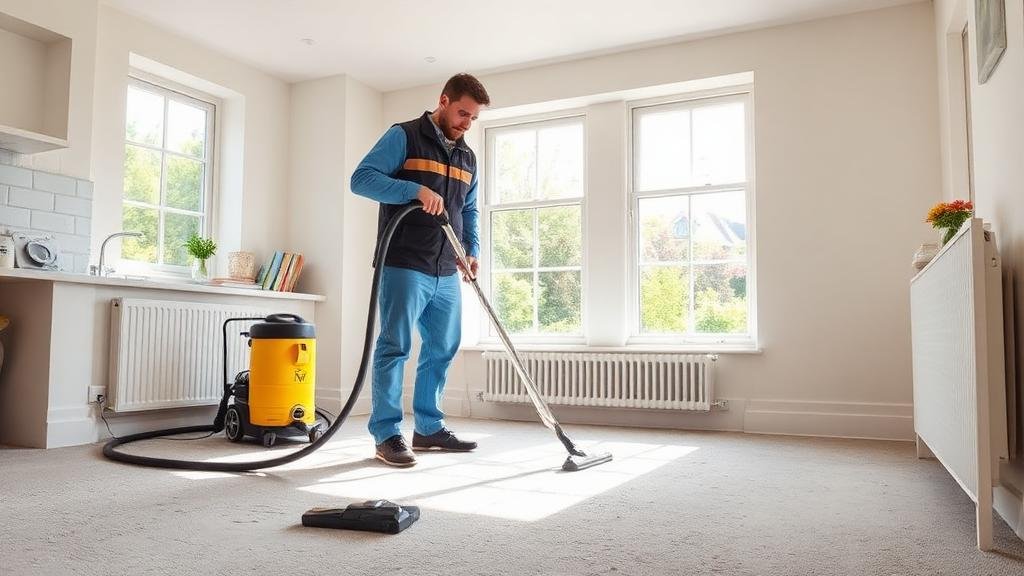
Vacuum carpets slowly enough to collect visible dust and debris, paying attention to corners and skirting board edges. For hard flooring, remove loose grit before mopping so it doesn’t scratch the surface.
Use the cleaning method recommended for the flooring material. Timber and laminate floors generally need a more moisture-conscious approach than standard ceramic tiles.
Allow enough time for floors to dry before bringing in boxes or furniture.
If the carpets have strong odours, significant staining or visible contamination, ordinary vacuuming may not be enough. Consider whether a professional carpet-cleaning assessment is appropriate rather than assuming steam cleaning is automatically necessary.
What Should You Clean First If You Only Have a Few Hours?
Not everyone can collect the keys a day before moving in. Sometimes the removalists are already booked, the old home needs to be vacated and there’s only a short window before everything arrives.
In that situation, don’t try to complete every task on the checklist.
Priority 1: Get the bathroom usable. Clean the toilet, basin, shower and frequently touched surfaces. Make sure the facilities you’ll need on the first night are ready.
Priority 2: Prepare the kitchen. Focus on the sink, benchtops and the cupboards where you’ll put everyday plates, cutlery and food. Leave detailed oven cleaning for later if it isn’t needed immediately.
Priority 3: Prepare the bedrooms. Wipe wardrobe interiors, vacuum the spaces where beds will go and make sure you can assemble the beds without working around dust and rubbish.
Once those essentials are complete, focus on the main walkways and flooring.
Keep cleaning supplies in a separate bag so they don’t disappear into the moving boxes. If possible, ask the removalists to leave boxes in one designated area until the main rooms are ready.
The goal on a busy moving day is to make the property usable and comfortable without leaving yourself with an impossible cleaning schedule.
Does Your Cleaning Checklist Change for Different Homes?
Moving into a rental property
In Victoria, the entry condition report is particularly important. Photograph any existing dirt or damage before cleaning, document it accurately and return the report within the required timeframe.
If you find heavy grease, damaged fittings, significant mould or other problems, contact the property manager or rental provider rather than automatically paying to rectify everything yourself.
You should also distinguish cleaning from repairs. Victorian rental properties must meet minimum standards, including requirements relating to structural mould and damp.
Moving into an established home you’ve purchased
The biggest unknown is often what the previous occupants have left behind. A house may look tidy during an inspection but reveal dusty cupboards, food residue and dirty appliance interiors once it’s empty.
Check the condition of the property during your permitted inspections and review any relevant sale contract terms if there is a disagreement about what should have been removed or cleaned.
Plan your cleaning around settlement, confirmed access and removalist bookings. Don’t assume you’ll have access to the property before settlement unless this has been arranged.
Moving into a newly built home
New homes have different cleaning concerns. Fine dust, adhesive residue, paint marks and leftover building materials may still be present, even after the builder’s final clean.
Start by inspecting the home for defects and incomplete work. Report anything that needs the builder’s attention before attempting to remove marks or residues yourself.
Ordinary household cleaning may be enough for light dust on accessible surfaces. Heavy construction dust, difficult residues or hazardous materials may require a specialist after-builders clean rather than a standard domestic cleaning visit.
Know When a Cleaning Problem Needs Professional Attention
Not everything that looks dirty should be treated as an ordinary cleaning job.
Persistent mould, recurring moisture, suspected asbestos-containing materials and significant pest activity are examples where cleaning alone may be inappropriate.
Victorian health guidance recommends addressing moisture problems that contribute to mould. Large areas of recurring mould may require a remediation professional. If you suspect asbestos-containing material has been disturbed, avoid further disturbance and obtain qualified advice.
For further guidance, see the Better Health Channel’s mould removal information and the Victorian Asbestos Hub.
Should You Book Professional Cleaning Before Moving In?
A professional clean can be worthwhile when the property needs more detailed attention than you have time to manage, particularly if you’re moving into an established home with greasy kitchen surfaces, dirty bathrooms or neglected storage areas.
But if the property has already been cleaned properly and you only need to wipe a few cupboards and vacuum the floors, doing the work yourself may be perfectly reasonable.
Before requesting a quote, make a list of the tasks you actually need completed. Ask whether the proposed service includes cupboard interiors, oven cleaning, window tracks, appliances and any carpet cleaning you require. These tasks aren’t automatically part of every cleaning package.
It’s also worth confirming whether the cleaner can attend after you’ve received the keys but before the furniture arrives.
Mommy Bear Cleaning provides deep cleaning services in Officer and surrounding suburbs and one-off house cleaning. If you’re preparing to move into a home around Officer, Pakenham or Berwick, you can discuss the property’s condition and request a quote for the work needed.
For more help deciding, see our guide on when to book a one-off deep cleaning service.
Final Checks Before the Furniture Arrives
Once you’ve finished cleaning, walk through the home one last time.
- Confirm that kitchen cupboards and drawers are clean and dry.
- Check that bathrooms are ready to use.
- Make sure floors are dry before furniture is brought inside.
- Remove cleaning rubbish and leftover debris.
- Put cleaning chemicals somewhere secure and away from children and pets.
- Check that any maintenance issues have been reported to the appropriate person.
You don’t have to make every corner perfect before moving in. Focus on the areas that will be difficult to clean once the house is furnished, then deal with the remaining smaller jobs as you settle in.
Frequently Asked Questions
Does a Victorian rental need to be professionally cleaned before I move in?
Not every rental needs a professional clean. The relevant issue is the property’s condition and the applicable rental requirements, rather than whether a professional cleaning receipt exists. Document any concerns in your entry condition report and contact the rental provider or agent if the property is not reasonably clean.
Can I arrange a clean between settlement and moving day?
Yes, provided you have legal access to the property and the cleaner is available. Confirm the settlement and key collection arrangements before booking. Leave enough time for the work to be completed and for any cleaned floors or carpets to dry before removalists arrive.
Should I deep clean a house if the previous occupants already had it cleaned?
Not necessarily. Inspect the kitchen, bathrooms, storage areas and floors before deciding. If these areas are in good condition, a light clean may be enough. If you find built-up grease, dirty cupboards or neglected fittings, a more detailed clean might be worthwhile.
Get Your New Home Ready Before Unpacking
A little preparation can make moving day much easier. Inspect the property, document its condition where necessary and clean the spaces you’ll need straight away. If you can, finish the detailed work before the furniture comes in.
If you’re moving into a home in Officer, Pakenham, Berwick or nearby areas and need help with a one-off or deep clean, contact Mommy Bear Cleaning to discuss your requirements and request a quote.